GACKT

Artist

GACKT

🎵3 songs

Biography

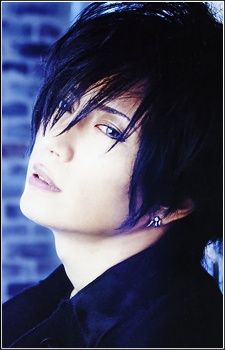
GACKT (born Gakuto Oshiro in Okinawa) is a legendary Japanese singer-songwriter, actor, and multi-instrumentalist whose influence defines modern J-Rock. He rose to international prominence as the vocalist of the visual kei band Malice Mizer (1995–1999), where his theatrical baritone and baroque aesthetic helped define the genre's golden era. After leaving the band, he launched a prolific solo career with the EP "Mizérable," establishing a signature sound that blends hard rock, orchestral arrangements, and pop sensibilities, often referred to as "theatrical rock." His discography is marked by conceptual depth and technical mastery, featuring hits like "Another World," "Vanilla," and "Returner ~Yami no Shuuen~," the latter becoming his first solo single to reach number one on the Oricon charts. GACKT is a master of multiple instruments, including the piano, guitar, and violin, and is known for his rigorous self-discipline and cinematic live performances. He further expanded his musical legacy by forming the supergroup S.K.I.N. alongside Yoshiki, Sugizo, and Miyavi, and by providing the vocal source for the Vocaloid "Gackpoid." Beyond music, GACKT has a distinguished career in film and television. He co-wrote and starred in the cult classic "Moon Child" (2003) and earned critical acclaim for his portrayal of Uesugi Kenshin in the NHK Taiga drama "Fuurin Kazan" (2007), a role he reprised in several cultural festivals. His voice acting work includes roles in "Final Fantasy VII" (Genesis Rhapsodos) and "Mobile Suit Zeta Gundam." In recent years, he has continued to dominate the box office with the "Fly Me to the Saitama" (Tonde Saitama) film series. GACKT's impact extends to fashion, business, and philanthropy. He is recognized as a cultural icon in Japan, frequently appearing on television as a judge for high-stakes talent competitions. Despite a temporary hiatus due to health reasons in 2021, he made a triumphant return to the industry, solidifying his status as a perennial figure in Japanese entertainment. His artistic philosophy emphasizes the pursuit of perfection and the breaking of boundaries between different media formats.

Songs

3 songs

Kimi dake no Boku de Iru kara (キミだけのボクでいるから)

Kimi dake no Boku de Iru kara (キミだけのボクでいるから)

Tsuki no Uta (月の詩)

Tsuki no Uta (月の詩)